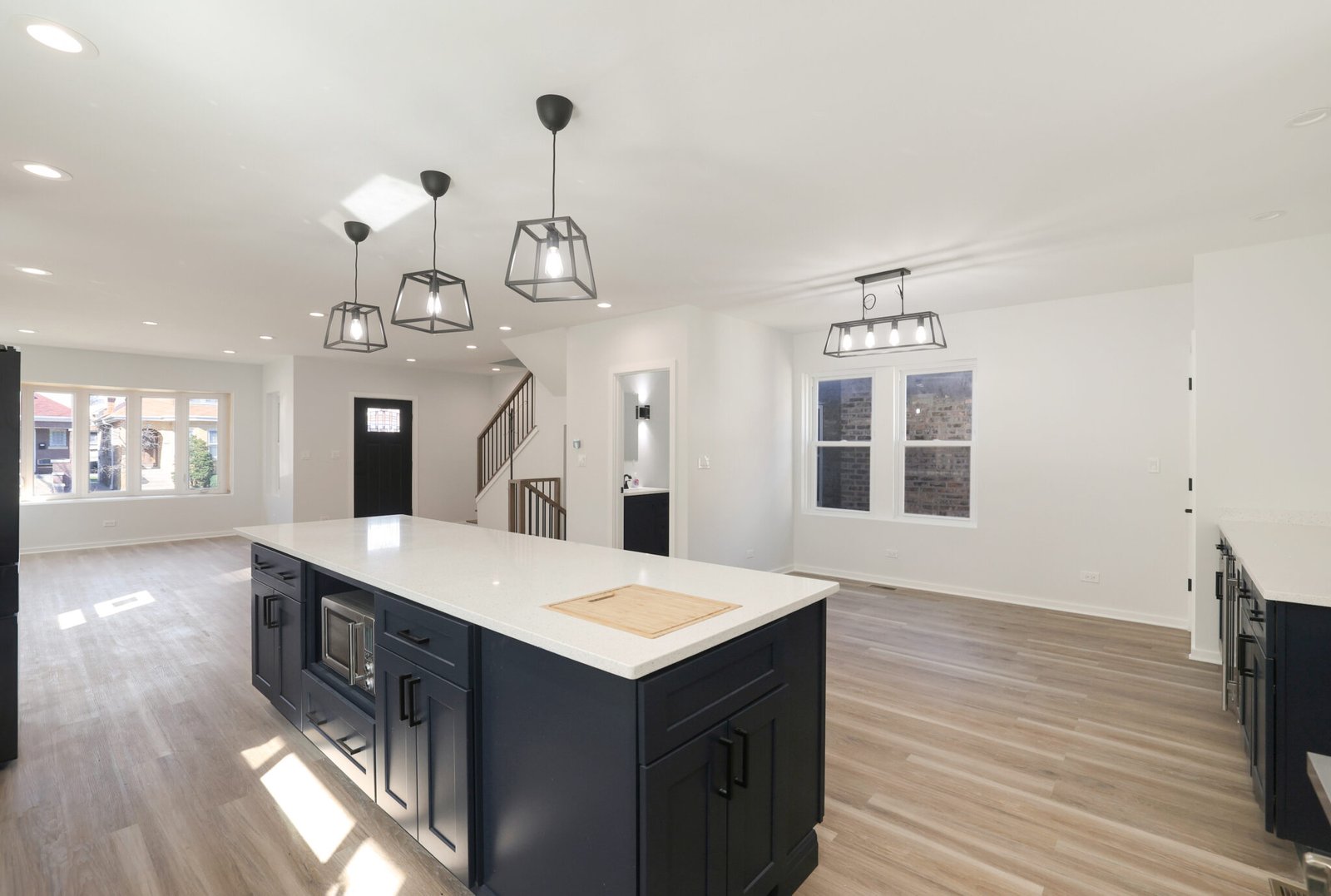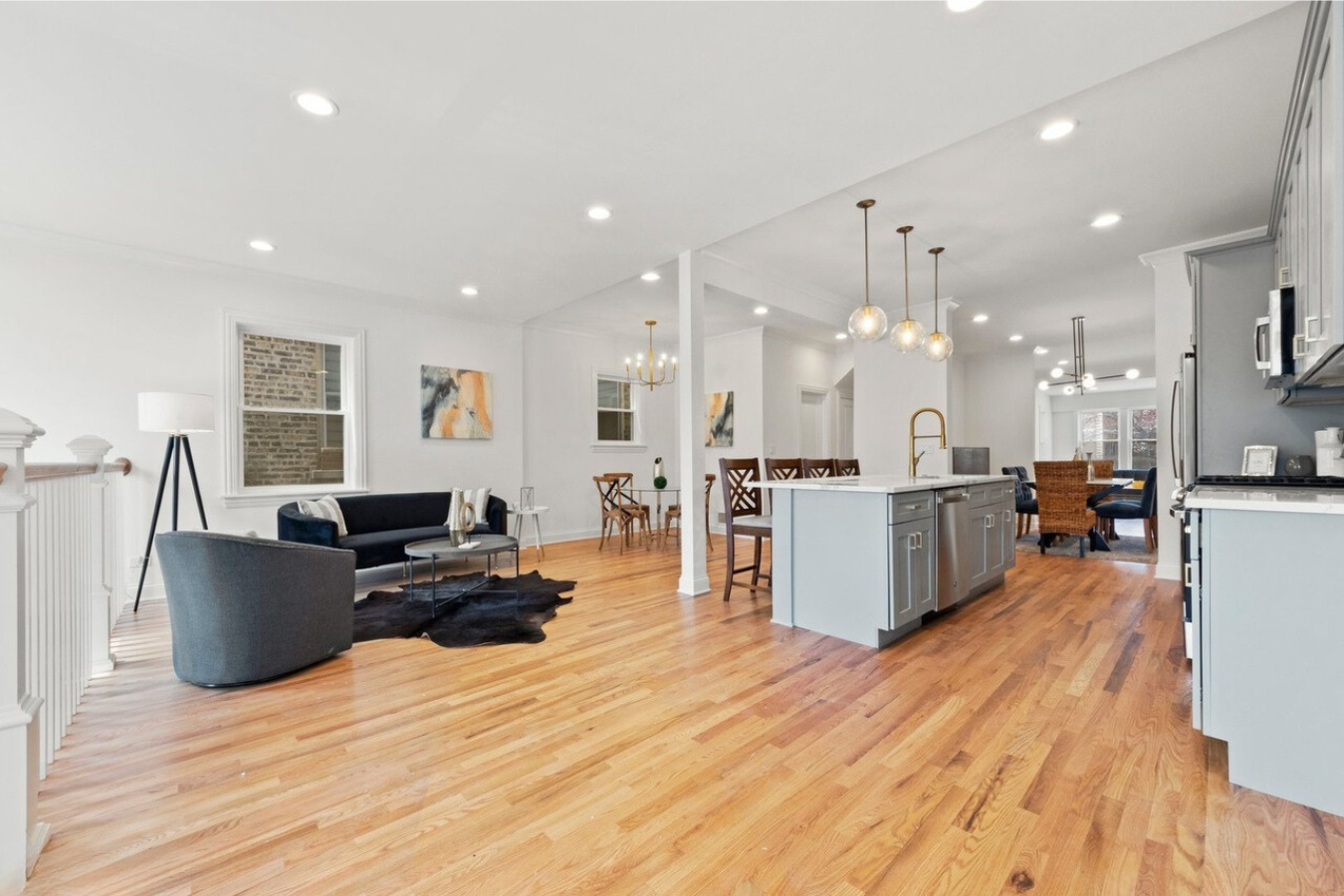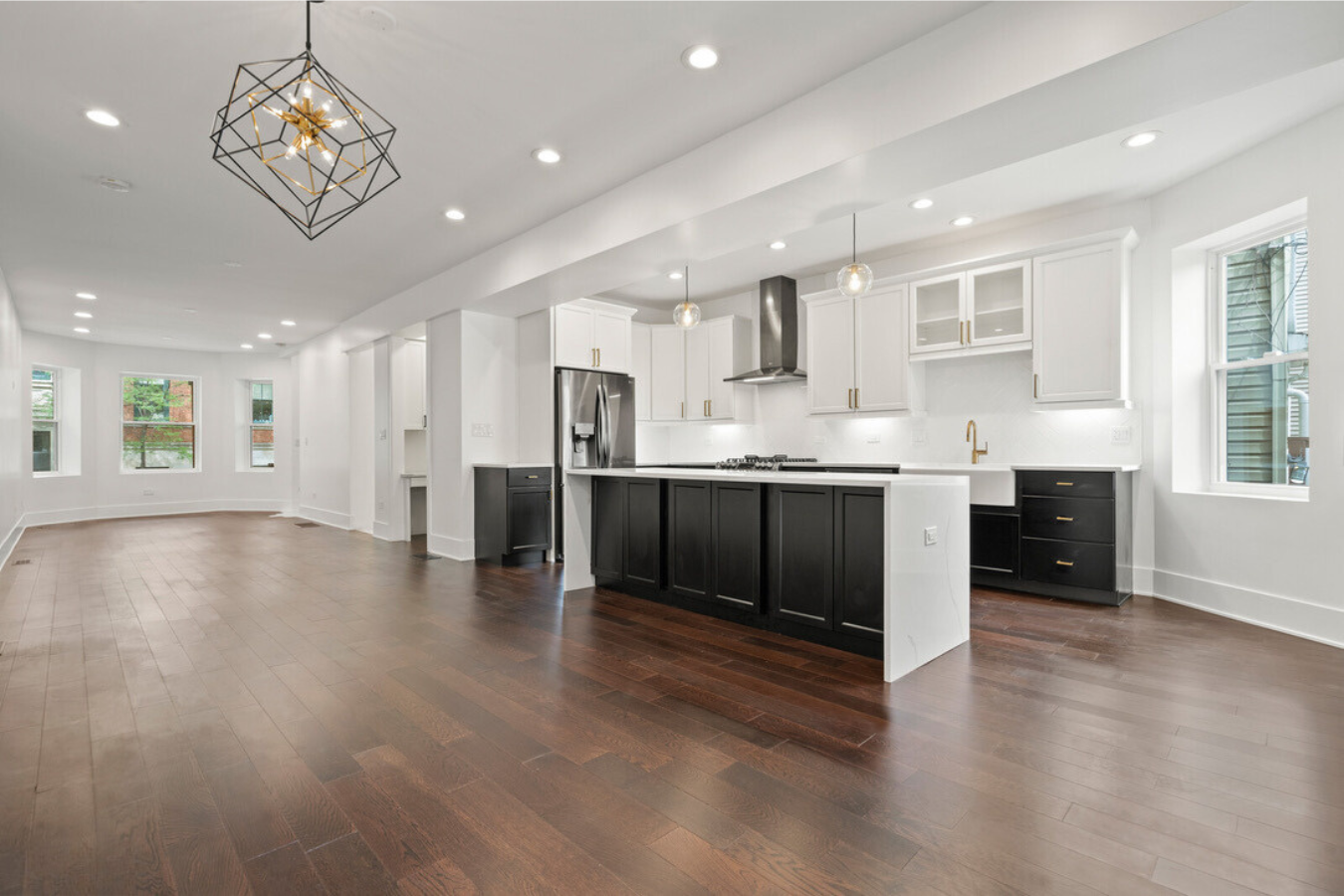
Here’s what most contractors won’t tell you about adding onto a Chicago bungalow: the goal isn’t just more square footage — it’s more space that still looks like it belongs. Chicago has strong feelings about bungalows (the “#StopThePop” movement exists for a reason), and a clumsy second story can hurt your home’s value instead of building it. We’ve been adding up and out since 2000, so here’s how to gain the room you need without wrecking the lines that make a bungalow worth owning.
Bungalow Additions (Quick Summary)
| Question | Short Answer |
|---|---|
| Typical full second story | $200,000 – $400,000+ |
| Dormer addition | $80,000 – $180,000 |
| Biggest design rule | Set the addition back; keep the roofline |
| Usual timeline | 5–9 months with design & permits |
Dormer vs. Full Second Story
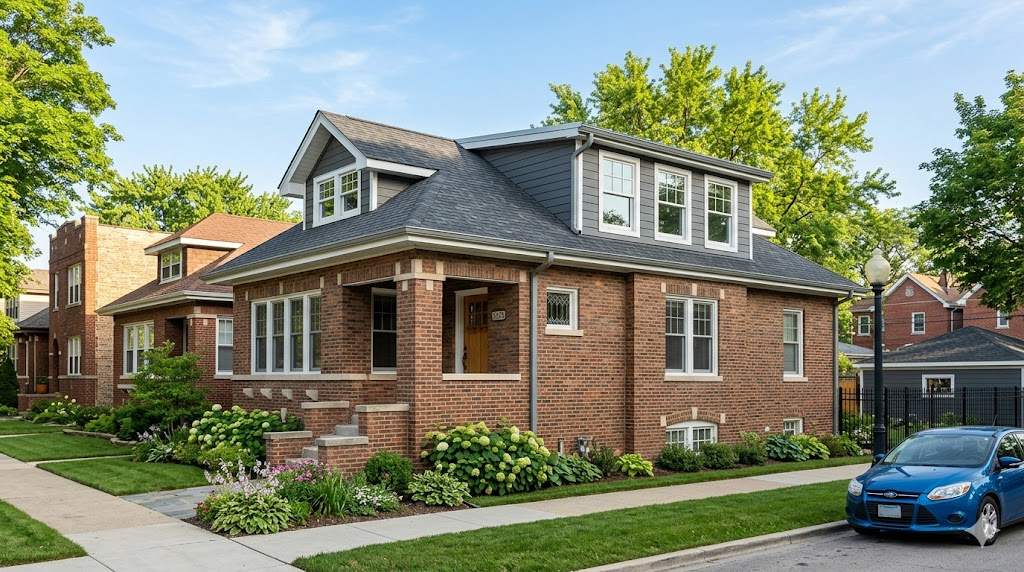
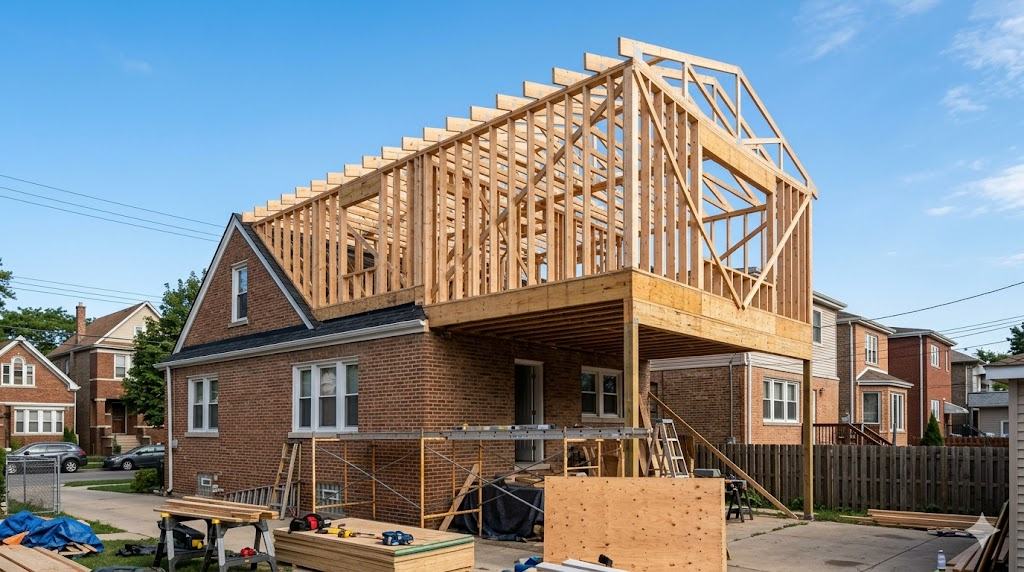
A dormer addition raises part of the roof to carve usable rooms out of an attic — often a primary suite or two bedrooms and a bath — while keeping most of the original roofline. It’s the lighter, often more approachable move, typically running $80,000–$180,000. A full second story rebuilds the entire upper level for a true two-story home, usually $200,000–$400,000+ depending on size and finishes. Which one fits depends on how much space you need and what your home’s structure and foundation can carry.
The #StopThePop Design Rules
Chicago’s bungalow belt is protected by design sensibilities (and in some districts, real review). The pop-ups that draw complaints share a look: a boxy second floor slammed flush to the front wall, towering over the neighbors. The fix is design discipline — set the addition back from the front facade, echo the original roof pitch, match brick and window proportions, and keep the street-facing character intact. Done right, most passersby can’t tell where the original home ends and the addition begins. That restraint is exactly what protects resale value.
Structure: Can Your Bungalow Carry It?
This is the part generic estimates skip. Before you go up, the existing foundation, framing, and load paths have to support the new weight — and many Chicago bungalows need foundation or structural reinforcement to do it safely. We assess this early, because finding out mid-project is exactly the kind of surprise our design-build process exists to prevent. Vintage homes also tend to reveal knob-and-tube wiring or old plumbing that we fold into the plan up front.
Permits, Zoning & Timeline
A second story or dormer is a major permit in Chicago: stamped architectural and structural drawings, zoning checks on height and floor-area limits, and full plan review. Expect the whole journey — design, engineering, permitting, and construction — to run roughly 5 to 9 months. The design and permit phase is a real chunk of that, which is why we start it while the rest of the plan comes together rather than after.
How Pegasus Builds Up the Right Way
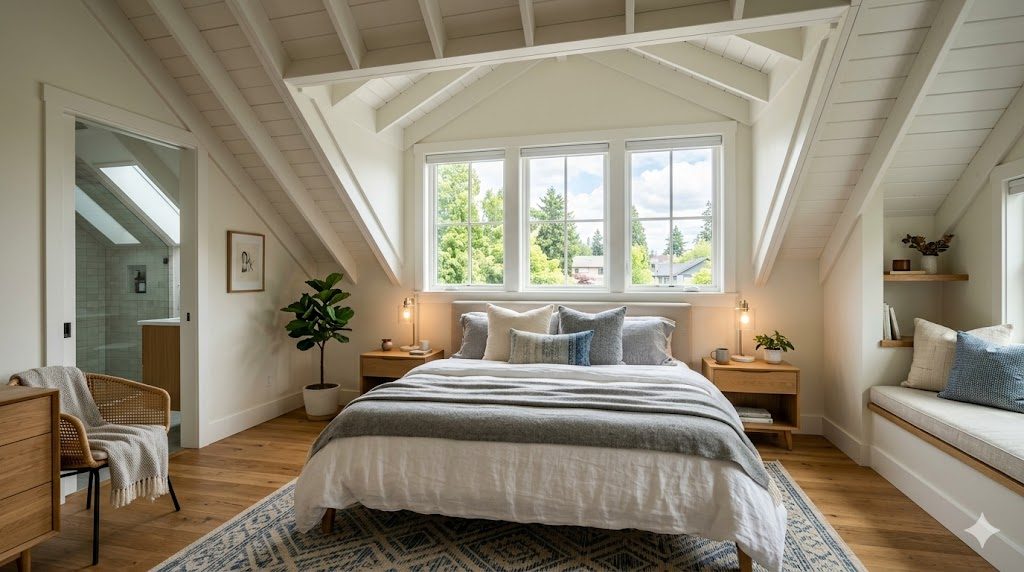
Because we were founded by developers, we weigh every addition on value and equity, not just square footage — an addition that respects the bungalow returns more than one that fights it. You get one team for design, engineering, and construction, a fixed price set before we start, and no surprise bills when we open up the roof. See our pricing center or our home additions page to scope your project.
Frequently Asked Questions
A full second story typically runs $200,000-$400,000+ depending on size, structure, and finishes. A dormer addition that reworks the attic is lighter, usually $80,000-$180,000.
It refers to boxy second-story ‘pop-ups’ built flush to the front wall that tower over neighbors and clash with the street. The fix is design discipline: set the addition back, match the roof pitch and brick, and keep the original character.
No. The existing foundation and framing must carry the new load, and many Chicago bungalows need structural or foundation reinforcement first. We assess this early so it’s in your fixed price, not a mid-project surprise.
Yes. Both require stamped architectural and structural drawings, zoning review for height and floor-area limits, and full city plan review before any work begins.
Plan for roughly 5 to 9 months from design through construction, since engineering and permitting for a major vertical addition take real time before building starts.
A well-designed addition that respects the home’s lines typically builds strong equity. A clumsy pop-up can do the opposite, which is why design restraint matters as much as the added space.
Bungalow & Two-Flat Additions Across Chicago
Pegasus Construction designs and builds second-story and dormer additions throughout Chicago and the North Suburbs. Explore remodeling in your neighborhood: