A Home Addition Contractor in North Center, Chicago, Illinois Who Gets You
Finding the right contractor to build an addition on your North Center, Chicago home can be a challenge. It’s important to thoroughly vet and interview your options before deciding who to hire.
Whether you decide to hire our team at Pegasus Construction or another local remodeler, you can use this helpful guide to be confident knowing you have your bases covered.
Clear & Proven Process
A successful home remodel starts with a clear plan. With hundreds of satisfied North Center, Chicago customers, our proven 6-Step Design-Build Process ensures a smooth and stress-free remodeling experience.
True Cost Accuracy
1 in 3 remodels exceed their budget—but yours doesn’t have to. At Pegasus Construction, we’ve created a budgeting system to eliminate surprise costs, with our projects averaging just a 5% variance from the initial budget to the final price.
Your Project, On Time
Feel confident knowing your home remodel is managed by experts. Each project is assigned a dedicated team, led by an experienced master carpenter, ensuring timely completion. While other companies face delays of weeks or months, our projects average less than a 2-day difference from the original schedule.
Common Remodeling Challenges for Homes in North Center, Chicago, Illinois Include:
North Center homeowners add on to expand cottages and two-flats into family-sized single-family homes — dormers, second stories, and rear kitchen-and-family additions. The narrow city lots and Chicago Department of Buildings zoning shape design. We build North Center additions that match the home and clear the city review.
Cottage-to-Family Conversions
North Center's worker cottages and two-flats grow into roomy single-family homes with dormers, second stories, and rear additions. We design them to match.
Narrow City Lots
North Center's standard lots favor up-and-back additions. We design within Chicago zoning and setbacks to add space without overbuilding.
Chicago Department of Buildings Permits
Additions pull a Chicago Department of Buildings permit and zoning review, which we manage.
The Right Approach For Your North Center, Chicago Home Addition
Whether you need to add extra room for a growing family or a second level to your home, our team will help you find the best way to expand your space.
Single Level Additions
If you find yourself needing more living space and want to expand your home rather than upsize, a single-level addition is the place to start.
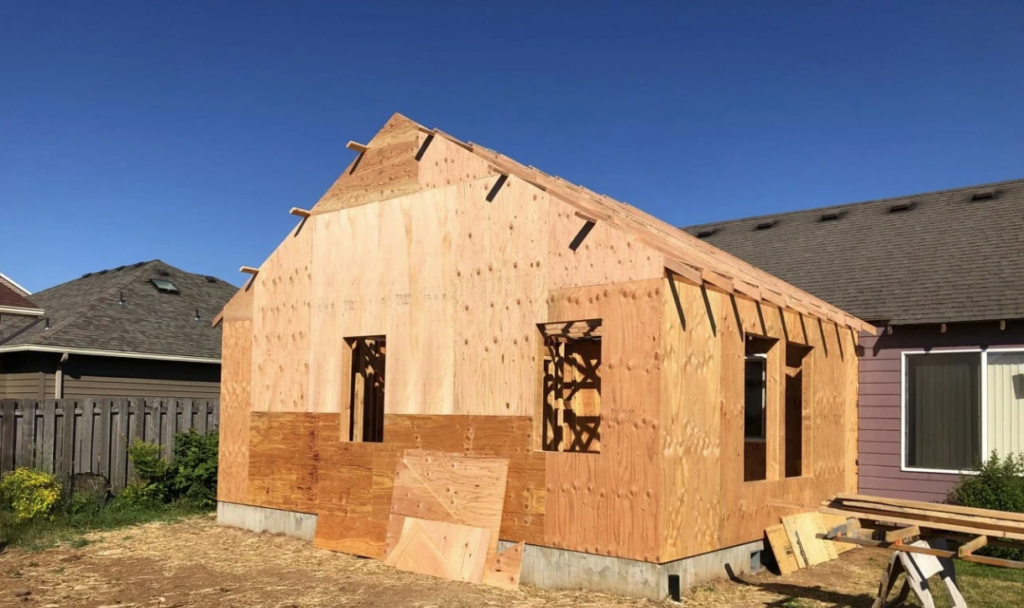
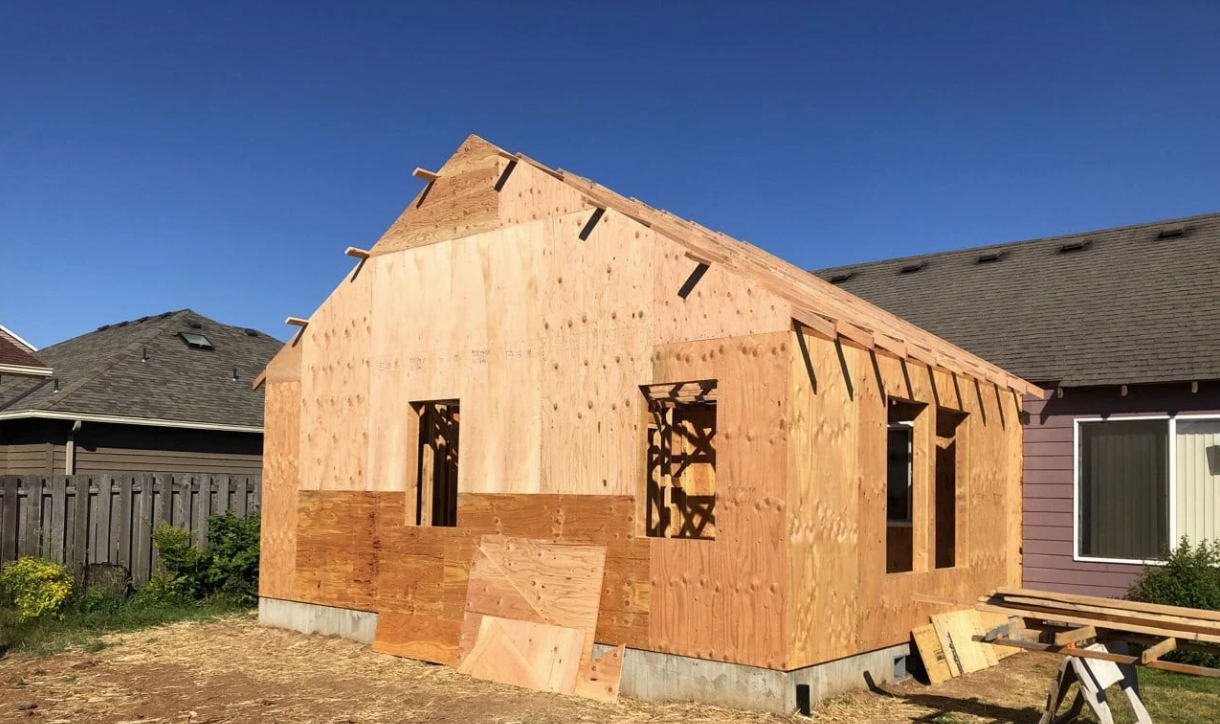
The most cost-effective way to add living space, a single-level addition attaches to the side of the home. They typically require expanding the home’s foundation, and are most often used for expanding kitchens, living rooms, or home offices.
Single-level additions are typically limited by lot size and setback laws. For this reason, these additions are better fit for homes on larger lots.
Second Story Additions
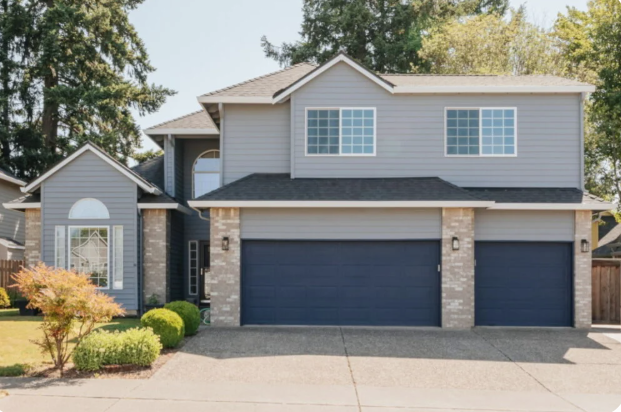
Want to expand your home without expanding its footprint? Many homeowners don’t realize it’s possible to expand their living space by adding a second story.
Although often more expensive than single-level additions, second-story additions can be a great solution for homeowners who need additional living space but don’t have enough yard space to build out.
Second-story additions tend to be more technically challenging, as they require extensive engineering and planning to ensure that they don’t disrupt the design or aesthetic of the existing structure.
Basement Additions
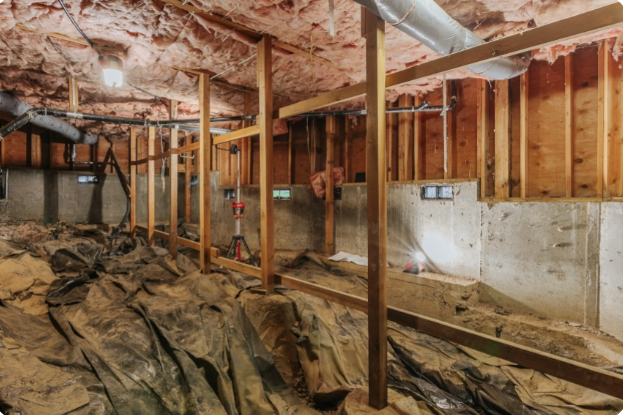
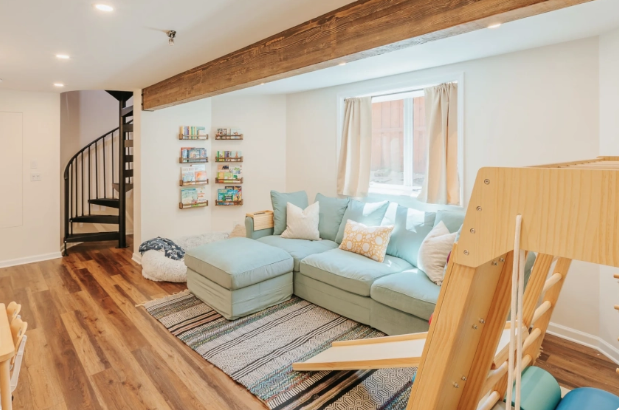
For some homeowners, a basement addition is the best way to expand their living space. This often involves either raising the home or digging out the crawl space.
Homeowners who go this route often use their basement for additional bedrooms, a recreational space, or an Accessory Dwelling Unit (ADU).
Basement additions are among the most expensive methods of adding onto a home. Extensive manual labor, planning, and permitting all contribute to the high cost of basement additions.
Design-Build Contractor For Home Addition in North Center, Chicago
At Pegasus Construction our mission is to change the lives of homeowners by helping them expand their homes with custom home additions built just for them. However, we also recognize that not every home addition project is the right fit for our team. Here is how to tell if Pegasus Construction is or isn’t a good fit for your home addition project.
Pegasus may not be a good fit for your North Center, Chicago Home Addition if.....
You want to hire the cheapest contractor.
You prefer to design the project as it is being built.
You plan to do most of the work yourself.
You want to begin the construction immediately.
You want to assemble your own remodeling team.
Contact the Pegasus Construction team about your North Center, Chicago Home Addition if.....
You prefer a balance of cost, quality and experience.
You understand the value i thorough design plans
You value high quality craftsmanship.
You want to take the time to carefully plan your remodel.
Schedule and Advisory Call to Discuss your Remodel
Step 1
Schedule an advisory call with a Design Consultant
Step 2
Invite us to your home for an initial evaluation
Step 3
Align on a budget and meet to discuss the design
Fill out This Form to Get Started
Hear that this client had to say!
“…I felt truly heard and valued during our conversation. I came to your company with questions about our projects, and Greg provided thoughtful, flexible scenarios and options to help us achieve our goals. He genuinely seemed to care about me and my family as real people.”
Our North Center, Chicago Service Area
We Renovate Homes In The North Center, Chicago Area
Can my North Center home support a second-story addition?
Often yes for solid two-flats and cottages, but it must be verified, especially on frame homes. We evaluate the foundation and framing with a structural engineer before designing up.
Is a dormer or attic conversion more cost-effective than a full addition in North Center?
Sometimes, depending on the existing roof and attic. We compare an attic conversion against a full second story for your home and budget.
How much does a home addition cost in North Center?
In North Center, additions typically run $275 to $450 per square foot, with full second stories and gut-rehab-level work on the upper end. We provide a fixed budget after design.
How long does the Chicago Department of Buildings take to approve an addition permit?
Approval for a North Center addition often takes a couple of months depending on scope and zoning. We prepare complete drawings and manage the process.
How do you match a new addition to my existing North Center home?
We document the existing brick or frame siding, rooflines, and trim and source matching materials so the addition reads as original.
What zoning and setback rules apply to additions in North Center?
The Chicago Department of Buildings enforces zoning, rear-yard, and side setbacks on narrow lots. We confirm your buildable envelope first.
Learn How to Hire a Contractor in 3 Easy Steps
Choosing the right contractor for your remodel can be simple. Use our free guide to walk you through 3 easy steps to select the perfect contractor.